

The Hydraulic Lifeline of Your Vehicle’s Braking System
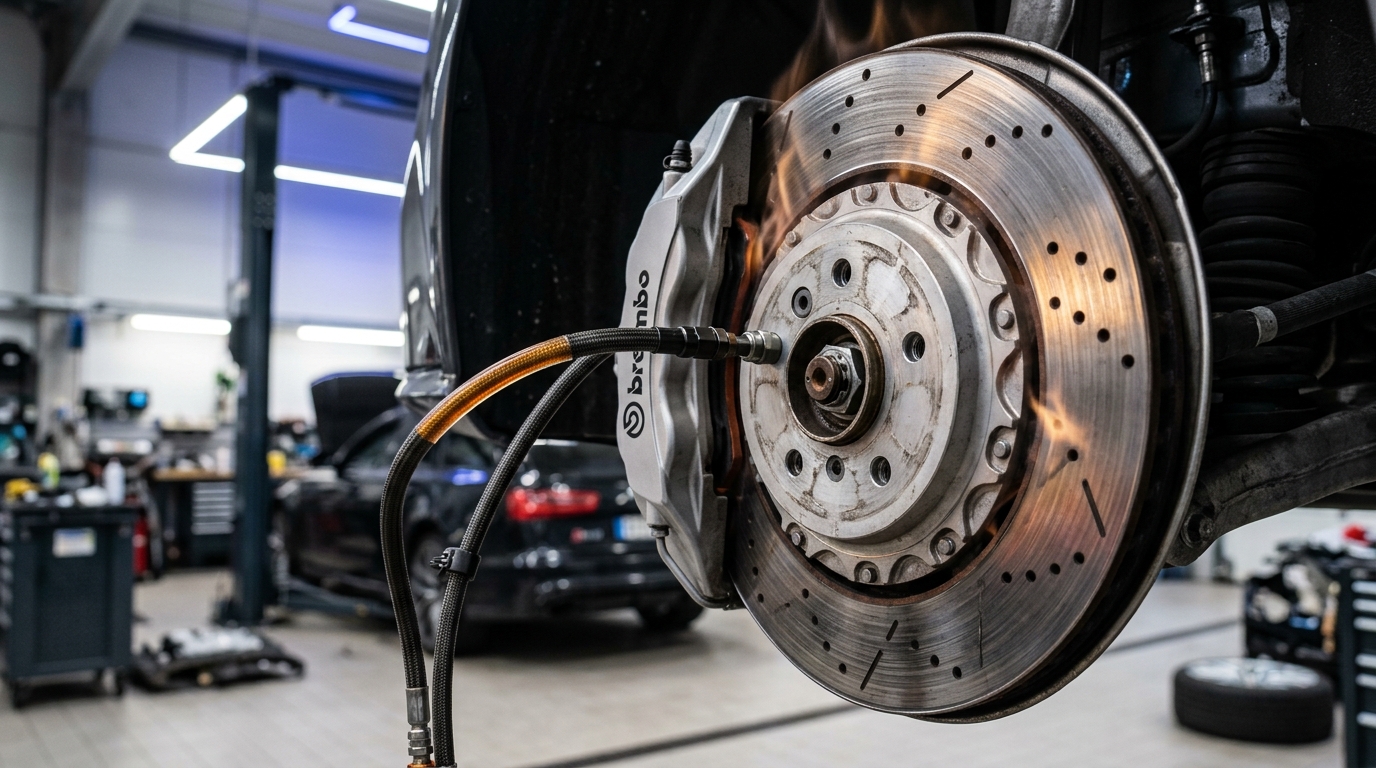
Brake fluid is the essential medium that translates the pressure of your foot on the pedal into the mechanical force required to stop your vehicle. Unlike other fluids that primarily lubricate or cool, brake fluid operates as a hydraulic link within a sealed system. When you press the brake pedal in a vehicle like the 2026 Nissan Rogue, which features Automatic Emergency Braking as a standard safety technology, the fluid must transfer that command instantly to the calipers. Because liquid is incompressible, it moves through the brake lines to force the pads against the rotors, creating the friction necessary to slow down thousands of pounds of metal and glass.
Maintaining this fluid is vital for the performance of modern safety suites. For instance, the 2026 Nissan Pathfinder relies on consistent hydraulic pressure to support its Forward Collision Warning and pedestrian detection systems. If the fluid is degraded, the physical response of the hardware might not match the rapid calculations of the onboard safety computers. Whether you are driving a versatile crossover or one of our new Nissan cars, the integrity of this hydraulic link is what stands between a controlled stop and a potential collision.
Our team at Newton Nissan South is committed to ensuring every vehicle on the road operates at its peak safety potential. If you are currently researching a new vehicle, you can explore our new Nissan showroom to see how these advanced braking systems are integrated into the latest designs. For those ready to upgrade, we invite you to browse our new inventory or specifically shop our new Nissan Rogue inventory to experience these technologies firsthand.
If you have questions about the maintenance history of a vehicle you are considering, or if you want to claim your vehicle savings on a specific model, reach out to us. You can give our service advisors (931) 536-3118 a quick call or get directions to our Shelbyville showroom to speak with a specialist in person.
Table of Contents
- Understanding How Brake Fluid Absorbs Contamination Over Time
- Warning Indicators That Your Brake Fluid Needs Immediate Attention
- How Fresh Fluid Protects Key Components and Reduces Stopping Distances
- Recommended Maintenance Intervals and Professional Diagnostic Testing
- Answers to Common Questions About Hydraulic Brake Service
- Schedule Your Next Preventative Brake Safety Inspection
Understanding How Brake Fluid Absorbs Contamination Over Time
The most common reason for brake fluid failure isn’t a leak, but rather the fluid’s own chemical nature. Most automotive brake fluids are glycol-based and hygroscopic, meaning they actively absorb moisture from the atmosphere. Even in a high-performance vehicle like the 2026 Nissan Murano, which features a 2.0L I4 engine and a 4WD drivetrain, moisture can slowly permeate through microscopic pores in the rubber hoses and seals of the braking system. Over time, this water content accumulates, fundamentally changing the physical properties of the fluid.
Pricing
MSRP and destination charges (source: MarketCheck VIN Decode (consensus))
| Feature | S | SV | Rock Creek | Dark Armor | Platinum | SL |
|---|---|---|---|---|---|---|
| Starting MSRP | $31,610 | $33,806 | $37,113 | $37,171 | $42,894 | $48,485 |
Lowest starting MSRP: S at $31,610
When water enters the lines, it lowers the boiling point of the brake fluid. During heavy braking—such as navigating the rolling hills around Christiana—the brake components generate intense heat. If the fluid contains too much moisture, that heat can cause the water to turn into steam. Unlike liquid, steam is compressible. This creates a dangerous situation where the brake pedal feels “spongy” because the force you apply is being used to compress gas bubbles rather than move the brake pads. Furthermore, moisture inside the lines leads to internal corrosion, potentially damaging expensive components like the master cylinder or ABS valves.
To prevent these issues, we recommend that drivers schedule maintenance online at regular intervals. Regular inspections are the best way to catch contamination before it affects your safety. You can also schedule your service today to have our technicians perform a professional moisture test on your fluid. For those looking for comprehensive care, our team can also assist when you book an oil change or need to schedule brake service to keep your entire vehicle in top condition.
Staying ahead of preventative maintenance is especially important for owners of specialized vehicles. If you drive a truck, you can schedule your Nissan service with experts who understand the heavy-duty requirements of your braking system. We also provide resources to check for vehicle recalls to ensure your specific model hasn’t been flagged for any unexpected hydraulic issues.
Warning Indicators That Your Brake Fluid Needs Immediate Attention
Identifying the symptoms of failing brake fluid is a critical skill for any driver. One of the most common signs is a change in the physical feedback of the brake pedal. If you notice that you have to press the pedal further toward the floor than usual, or if it feels soft and loses its firm “bite,” your fluid likely has air or moisture contamination. This is a significant safety concern because it directly increases your stopping distance. In a vehicle like the 2026 Nissan Rogue, which earned an IIHS TOP SAFETY PICK rating, maintaining that firm pedal feel is essential to ensuring the Automatic Emergency Braking system can do its job effectively.
Safety & Driver Assistance
Safety ratings and driver assistance systems
| Feature | S | SV | Rock Creek | Dark Armor | Platinum | SL |
|---|---|---|---|---|---|---|
| IIHS Rating | TOP SAFETY PICK | TOP SAFETY PICK | TOP SAFETY PICK | TOP SAFETY PICK | TOP SAFETY PICK | TOP SAFETY PICK |
Standard across all trims:
| Feature | Included |
|---|---|
| Forward Collision Warning | ✓ |
| Automatic Emergency Braking | ✓ |
| Lane Departure Warning | ✓ |
| Lane Keeping Assist | ✓ |
| Blind Spot Monitor | ✓ |
| Rear Cross-Traffic Alert | ✓ |
| Blind Spot Intervention | ✓ |
Visual cues are another reliable way to diagnose the health of your fluid. Fresh brake fluid is typically clear or has a very light amber tint. As it ages and absorbs debris, copper from the brake lines, and moisture, it turns dark brown or even black. If you open the hood and see murky fluid in the reservoir, it is past its useful life. Additionally, keep an eye on your dashboard; a brake warning light can trigger not just for worn pads, but also for low fluid levels or hydraulic pressure issues.
Drivers who frequently travel the country roads near Union Grove may notice these symptoms more acutely during long descents where brakes are applied more often. The heat generated in these scenarios will quickly expose any weaknesses in the fluid’s boiling point. If you experience a “fading” sensation where the brakes seem to lose power as they get hot, pull over and seek professional help immediately.
If you are concerned about the cost of maintaining an older vehicle, you can get pre-approved for financing for a newer, more reliable model. We also offer options to apply for bad credit financing to ensure every driver has access to a safe vehicle. For those looking for value, we suggest viewing our pre-owned vehicle specials to find a car with a documented service history.
How Fresh Fluid Protects Key Components and Reduces Stopping Distances
Performing a brake fluid exchange is about more than just maintaining stopping power; it is a vital step in protecting the long-term health of your entire braking system. When we replace old, acidic fluid with fresh product, we are effectively flushing out the microscopic metal shavings and moisture that cause internal rust. This preventative measure extends the life of the calipers, wheel cylinders, and the Anti-lock Braking System (ABS) pump. In a heavy-duty family vehicle like the 2026 Nissan Pathfinder, which uses a 3.5L V6 engine, these components are under significant stress, and replacing them is far more expensive than a simple fluid exchange.
Fresh fluid also ensures that your vehicle stops as the engineers intended. By maintaining a high boiling point and zero compressibility, the hydraulic system delivers maximum pressure the moment you touch the pedal. This is especially important for the Lane Keeping Assist and Blind Spot Intervention systems standard on the 2026 Nissan Rogue, as these features often use micro-applications of the brakes to help keep the vehicle centered in its lane. If the fluid is degraded, these subtle corrections may not be as precise as they need to be.
When it comes time to service your vehicle, using the correct materials is paramount. We always recommend that you order genuine Nissan parts and fluids to ensure compatibility with your vehicle’s specific seals and alloys. Our parts specialists can help you contact our parts team to find the exact fluid grade recommended by the manufacturer.
To make your maintenance more affordable, be sure to view current parts specials before your visit. By using high-quality components and ordering genuine Nissan parts, you are investing in the continued safety and reliability of your vehicle’s most important system.
Recommended Maintenance Intervals and Professional Diagnostic Testing
While many drivers wait for a warning light or a change in pedal feel, the safest approach is to follow a time-based maintenance schedule. Most manufacturers recommend a brake fluid exchange every 2 to 3 years, regardless of the mileage on the odometer. This is because moisture absorption happens even when the car is parked. If you frequently use your vehicle for heavy towing or drive in mountainous terrain, you may need to increase this frequency to every 2 years or 40,000 miles to account for the extra heat cycles the fluid endures.
Professional testing at Newton Nissan South goes beyond a simple visual check. Our technicians use specialized tools to measure the exact moisture content and copper levels in your fluid. We often see customers who come in for a routine inspection and are surprised to find their fluid is “wet” despite looking relatively clean. This diagnostic precision is why we suggest that owners visit our finance center to learn about service payment options that make it easier to keep up with these essential tasks.
When I walk families through their first service appointment, they often ask why this isn’t checked as often as the oil. I explain that while oil is about engine longevity, brake fluid is about immediate safety. For those who want to manage their service costs over time, you can apply for service financing to spread out the cost of larger maintenance items.
If you are planning to purchase a new vehicle soon, you can also get pre-qualified instantly to see how a new 2026 Nissan Rogue or Pathfinder fits into your budget. Keeping up with these intervals ensures that your vehicle remains a reliable asset for years to come.
Answers to Common Questions About Hydraulic Brake Service
Q: What is the primary difference between a brake fluid flush and an exchange?
In most professional automotive settings, these terms are used interchangeably. Both describe the process of removing the old, contaminated fluid from the entire system—including the master cylinder, lines, and calipers—and replacing it with 100% fresh fluid. This is different from “topping off” the fluid, which merely mixes new fluid with the old, contaminated supply.
Q: Will new brake pads feel different if I don’t change my old fluid?
Yes, if your fluid is old and contaminated with moisture, new pads and rotors may not provide the firm, responsive feel you expect. Because the fluid is responsible for transmitting the physical pressure, any “softness” caused by moisture or air in the lines will undermine the performance of the new hardware. We typically recommend a fluid inspection whenever you replace your pads.
Q: Does my Nissan LEAF or other electric vehicle still need brake fluid exchanges?
Absolutely. While the 2026 Nissan LEAF uses regenerative braking to slow the vehicle down using the electric motor, it still possesses a traditional hydraulic backup system for emergency stops and low-speed friction braking. This fluid is subject to the same moisture absorption as any internal combustion vehicle and must be exchanged according to the manufacturer’s schedule. You can learn about electric vehicles and their unique maintenance needs through our online resources.
Q: Can I just add more fluid if the level in the reservoir is low?
While you can add fluid to reach the “max” line, a low fluid level is usually a sign of one of two things: either your brake pads are significantly worn (causing the calipers to stay further extended) or there is a leak in the system. Simply adding fluid does not solve the underlying problem and does not remove the contaminants already present in the lines. You should view current service specials and have a professional inspection performed.
Q: Is brake fluid exchange covered under my Nissan warranty?
Brake fluid is generally considered a wear-and-tear maintenance item, similar to oil or tires, and is typically not covered under the 3 years / 36,000 miles basic warranty. However, keeping a documented history of these exchanges is vital for maintaining your 5 years / 60,000 miles powertrain warranty, as it proves you have taken the necessary steps to prevent internal corrosion of the system. You can learn more about our dealership and how we help you track your service history.
Schedule Your Next Preventative Brake Safety Inspection
Maintaining your vehicle’s braking system is one of the most effective ways to ensure the safety of your family on the road. Whether you are commuting daily or preparing for a weekend trip, knowing that your hydraulic system is free of moisture and contaminants provides invaluable peace of mind. At Newton Nissan South, our factory-trained technicians have the specialized tools and genuine fluids required to keep your 2026 Nissan Rogue or Pathfinder stopping exactly as the manufacturer designed.
Engine & Performance
Powertrain specifications across trim levels
| Feature | S | SV | Rock Creek | Dark Armor | Platinum | SL |
|---|---|---|---|---|---|---|
| Engine | 1.5L I3 | 1.5L I3 | 1.5L I3 | 1.5L I3 | — | — |
| Transmission | CVT | CVT | CVT | CVT | — | — |
| Drivetrain | FWD | FWD | 4WD | FWD | — | — |
We take pride in serving our local community and participating in local traditions like the Trunk or Treat event in Shelbyville. We believe that professional service should be accessible and transparent, which is why we offer comprehensive digital inspections with every visit. If you haven’t had your brake fluid tested in the last two years, now is the perfect time to ensure your vehicle is ready for the road ahead.
For those ready to experience the latest in Nissan safety and performance, we invite you to visit our showroom. You can get directions to our Shelbyville location and see our full lineup in person. If you prefer to start the conversation from home, give our service team (931) 536-3118 a quick call to discuss your maintenance needs or to ask any questions about your vehicle’s specific requirements. We look forward to helping you stay safe on every journey.
0 comment(s) so far on The Hydraulic Lifeline of Your Vehicle’s Braking System