

Summer Service Q&A: Keeping Your Nissan AC and Battery Cool
As the summer heat intensifies across Middle Tennessee, keeping your vehicle running reliably requires proactive care under the hood. We sat down with Travis, the Service Manager at Newton Nissan South, to discuss how extreme seasonal temperatures affect your vehicle’s most vital systems and how targeted maintenance can prevent unexpected breakdowns. In this exclusive Q&A, Travis shares professional insights on preserving battery life, maintaining optimal cabin cooling, and preparing your vehicle for hot-weather travel.
Q: Why does the summer heat place such extreme stress on a Nissan battery and air conditioning system?
A: Operating a vehicle in extreme summer heat forces both the electrical and climate control systems to work at their absolute limits. Many drivers do not realize that high ambient temperatures accelerate the chemical degradation inside automotive batteries by causing the liquid electrolyte solution to evaporate. This evaporation process permanently damages the internal lead plates, leading to rapid capacity loss and eventual starting failures. According to industry data from AAA, heat is actually the leading cause of premature battery failure, even though most drivers only think about their batteries during the winter months.
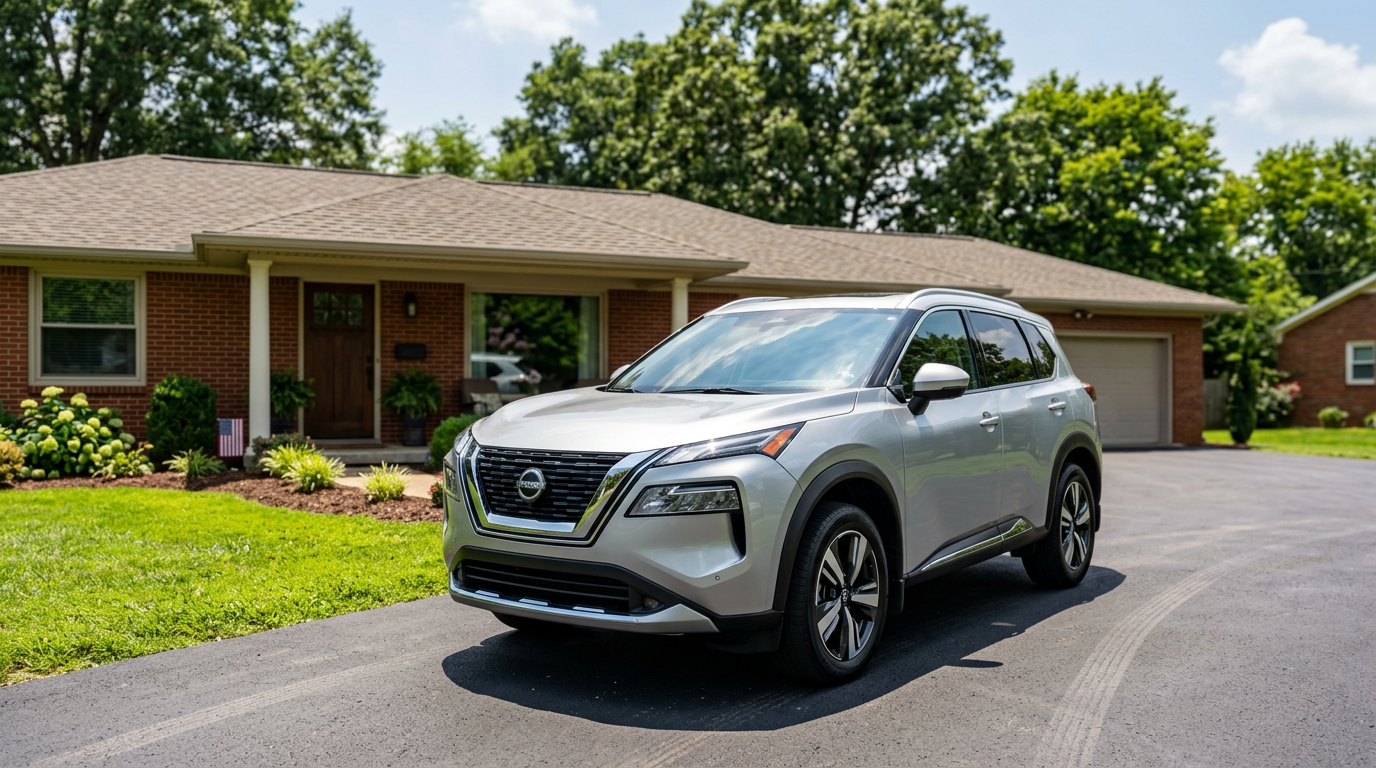
At the same time, your vehicle’s air conditioning system must contend with immense thermal loads to keep the cabin livable. For instance, a vehicle like the 2026 Nissan Rogue, which features a highly efficient 1.5L engine paired with an Xtronic CVT and delivers an EPA-estimated 29 mpg city / 36 hwy, relies on a precisely balanced cooling loop to minimize engine load. When outdoor temperatures climb, the AC compressor must run almost continuously to pull heat out of the cabin, which dramatically increases system pressure and operating temperatures under the hood.
Larger family vehicles like the 2026 Nissan Pathfinder, equipped with a robust 3.5L engine and a 9-speed automatic transmission while achieving 21 mpg city / 27 hwy, have even larger cabin volumes to cool, placing an even greater demand on the compressor and condenser. Even on a highly reliable sedan like the 2026 Nissan Altima, which features a starting MSRP of $28,980 for its SR trim and utilizes a 2.5L engine with an Xtronic CVT to deliver 26 mpg city / 36 hwy, the battery and alternator are pushed to their limits trying to power the blower motor, radiator fans, and cabin electronics simultaneously. If you want to ensure your vehicle is prepared for these demands, we recommend visiting our service center on US-2801 or giving our team a call at (931) 536-3118 to have your systems inspected before the peak of summer.
Q: What are the warning signs that a Nissan air conditioning system needs a refrigerant recharge before a summer road trip?
A: When a driver brings a vehicle in because the cabin is uncomfortable, we usually look for several progressive symptoms of refrigerant loss. The most obvious sign is a noticeable drop in cooling performance, where the air blowing from the vents feels lukewarm or merely cool rather than icy cold. You might also notice that it takes significantly longer to lower the cabin temperature after the vehicle has been parked in the sun. Another common indicator is a persistent clicking noise coming from the engine bay, which occurs when the AC compressor clutch rapidly cycles on and off because the system pressure is too low to maintain a steady operating loop.
In some cases, a low refrigerant charge can cause the evaporator coil to freeze over entirely, which restricts airflow and results in barely any air coming out of the vents despite the blower motor running on high. If you experience these issues, it is critical to have the system professionally leak-tested rather than simply adding more refrigerant. Since the air conditioning loop is a completely sealed system, any loss of refrigerant indicates a physical leak that must be repaired. Drivers can order genuine Nissan parts through our department to ensure any replaced seals or lines meet factory standards. For drivers navigating the agricultural routes around Lewisburg, a fully functioning cabin filter and sealed AC lines are essential to keep dust and heat outside, and we can easily address these needs through our Lewisburg area service options or by visiting our Tullahoma area service center for a complete system inspection.
Q: How cold should the air blowing from a Nissan cabin vent actually feel when the system is operating properly?
A: To maintain optimal cabin comfort, the temperature of the air leaving your dashboard vents must meet precise factory standards. Under normal operating conditions with the air conditioning set to maximum cooling and the cabin air recirculation mode activated, the air emerging from the center vents should measure between 38 and 45 degrees Fahrenheit. This target range applies when the ambient outdoor temperature is around 80 degrees. As the outdoor temperature climbs toward 90 degrees or higher, the vent temperature may rise slightly, but it should still consistently deliver air that is at least 35 to 40 degrees cooler than the air inside the cabin.
When we run a diagnostic on the test loop, we use a probe thermometer directly in the center vent to verify these exact numbers. If the vent temperature is reading above 50 degrees on a warm day, the system is not operating efficiently and is likely suffering from a restricted cabin air filter, a failing compressor, or a minor refrigerant leak. If you notice your vents are not hitting these cold targets, you can contact our parts team to source a fresh cabin filter or consult our nearby Lynchburg area service team for a professional system evaluation. You can also explore our online tools to buy your car online if you are considering upgrading to a newer model with advanced dual-zone climate controls.
“A difference of just five degrees at the vent can be the dividing line between a comfortable drive and a cabin that feels like an oven.”
Q: Do local mechanics have the specialized tools required to service the newer R-1234yf refrigerant?
A: A common misconception among vehicle owners is that any standard repair shop can service modern air conditioning systems. Most Nissan vehicles manufactured in recent years utilize a newer, environmentally friendly refrigerant called R-1234yf, which replaced the older R-134a standard to significantly reduce greenhouse gas emissions. Because this newer refrigerant is mildly flammable and operates under different pressure parameters, the law requires highly specialized, certified recovery and recharging equipment to service it safely. Many independent local mechanics have not invested in these expensive, dedicated machines, or they may lack the specific training required to calibrate them properly.
Attempting to service an R-1234yf system with outdated equipment or incorrect refrigerant can cause severe, irreversible damage to your compressor and contaminate the entire system. At our dealership, our factory-trained technicians use state-of-the-art, certified diagnostic platforms designed specifically for modern systems. We recommend that you schedule your service today or use our convenient portal to schedule maintenance online to ensure your vehicle receives the correct care. Before you visit, be sure to schedule service and contact our service team if you have any questions about your specific model. We also provide comprehensive care beyond climate systems; you can schedule battery service, shop for new tires, or schedule your Nissan service to keep every aspect of your vehicle performing perfectly.
Q: How often should drivers in the Murfreesboro area have their Nissan battery tested during the hottest months of the year?
A: Proactive battery testing is the most effective defense against sudden summer breakdowns. We strongly advise that you have your battery load-tested at least once a year, preferably in the late spring before the extreme summer heat arrives. Once an automotive battery is more than two years old, it should be tested before and after the summer season, as the cumulative damage from high temperatures can degrade its starting capacity without showing any obvious warning signs. A standard voltmeter test only measures the surface charge, whereas a professional load test simulates the actual drain of starting the engine to evaluate the battery’s true health.
For commuters driving from Murfreesboro along Interstate 24, a sudden battery failure during rush hour can be both frustrating and hazardous. You can easily access reliable testing through our Murfreesboro area service partners or by utilizing our regional service network to find a certified technician near you. If your battery does require replacement, we stock a complete inventory of original equipment batteries designed to deliver the exact cold cranking amps required by your vehicle’s starter. You can also view current parts specials online to find savings on seasonal maintenance components.
Q: What is the safest way to clean corrosion from Nissan battery terminals without causing damage in hot weather?
A: Handling automotive batteries requires strict adherence to safety protocols to prevent personal injury or electrical damage. White or bluish powdery corrosion on the battery terminals is highly acidic and is caused by the release of hydrogen gas from the warming electrolyte solution inside the battery. To clean this safely, you must first ensure the vehicle’s ignition is completely turned off. Always disconnect the negative cable first to eliminate the risk of an electrical short circuit if your metal wrench accidentally touches a grounded part of the vehicle frame, followed by the positive cable.
Once the cables are disconnected, you can apply a specialized terminal cleaning spray or a homemade mixture of baking soda and warm water to neutralize the acidic buildup. Scrub the terminals and cable ends thoroughly with a dedicated wire battery brush until the metal surfaces are clean and shiny, then wipe them dry with a clean cloth. Before reconnecting the cables in the reverse order, starting with the positive terminal, we recommend applying a thin layer of protective terminal grease to prevent future oxidation. If you prefer to have a professional handle this process, you can find our dealership online to locate our service bays, or order genuine Nissan parts such as replacement terminal clamps and protective sprays directly from our department.
Q: How quickly can a vehicle cabin heat up on a ninety-degree day, and what steps can owners take to protect their interior?
A: Solar radiation transforms a parked vehicle into a greenhouse within a matter of minutes. On a typical ninety-degree summer day, the interior temperature of your vehicle can soar past 100 degrees in less than ten minutes and can easily exceed 120 degrees within an hour. This extreme heat not only degrades the dashboard materials and leather seating over time but also places an enormous initial load on your air conditioning system when you first start the engine. To mitigate this, we highly recommend using a high-quality, reflective front windshield sunshade to block ultraviolet rays and keep cabin temperatures significantly lower.
Additionally, parking in the shade whenever possible and cracking the windows slightly can encourage passive airflow to prevent heat buildup. Many modern Nissan models feature Intelligent Climate Control integrated with remote engine start, allowing you to activate the AC remotely via the NissanConnect Services app to pre-cool the cabin before you step inside. If you ever find yourself stranded due to heat-related issues, remember that factory-backed protection is always available through Nissan Roadside Assistance: 800-225-2476, which provides comprehensive coverage and towing to authorized service centers. To prepare your vehicle for the summer months, we encourage you to get directions to our Shelbyville location, call us at (931) 536-3118 to speak with a technician, or browse our site to schedule your service on your next preventative maintenance visit.
© 2026 Newton Nissan South. All rights reserved.
0 comment(s) so far on Summer Service Q&A: Keeping Your Nissan AC and Battery Cool